
การศึกษาเรื่องความพึงพอใจของผู้ใช้งานอาคารชุดพักอาศัยสำหรับคนหลายวัย มีเนื้อหาโดยสรุปดังนี้
ครอบครัวหลายเจเนอเรชั่นเป็นรูปแบบหนึ่งของครอบครัว ซึ่งเป็นการอาศัยอยู่ร่วมกันของ พ่อ แม่ และบุตรหลาน และเป็นค่านิยมอย่างหนึ่งของไทยในอดีต แต่ค่านิยมด้านที่อยู่อาศัยในปัจจุบันเปลี่ยนไปตามการทัศนคติของคนรุ่นใหม่และการเติบโตของเมือง เป็นแรงผลักดันให้เกิดลักษณะการอยู่อาศัยแบบอาคารชุด ซึ่งเหมาะสำหรับการอยู่อาศัย 1-2 คนเป็นหลัก อย่างไรก็ตามในขณะที่สังคมไทยกำลังมุ่งสู่สังคมวัยกลางคน และสังคมผู้สูงอายุ การออกแบบโครงการให้สอดคล้องและตอบสนองต่อรูปแบบการใช้ชีวิตของผู้บริโภคกลุ่มนี้ จึงเป็นสิ่งที่น่าสนใจและไม่ควรละเลย
การศึกษานี้มีวัตถุประสงค์เพื่อศึกษาผลกระทบที่เกิดจากการการออกแบบลักษณะกายภาพและการบริหารจัดการทรัพยากรอาคารต่อความพึงพอใจของผู้อยู่อาศัยแต่ละช่วงอายุ และเพื่อนำเสนอความสัมพันธ์ระหว่างปัจจัยด้านกายภาพ การบริหารจัดการทรัพยากรอาคาร และพฤติกรรมของผู้พักอาศัยแต่ละช่วงอายุที่มีผลต่อความพึงพอใจของผู้พักอาศัย
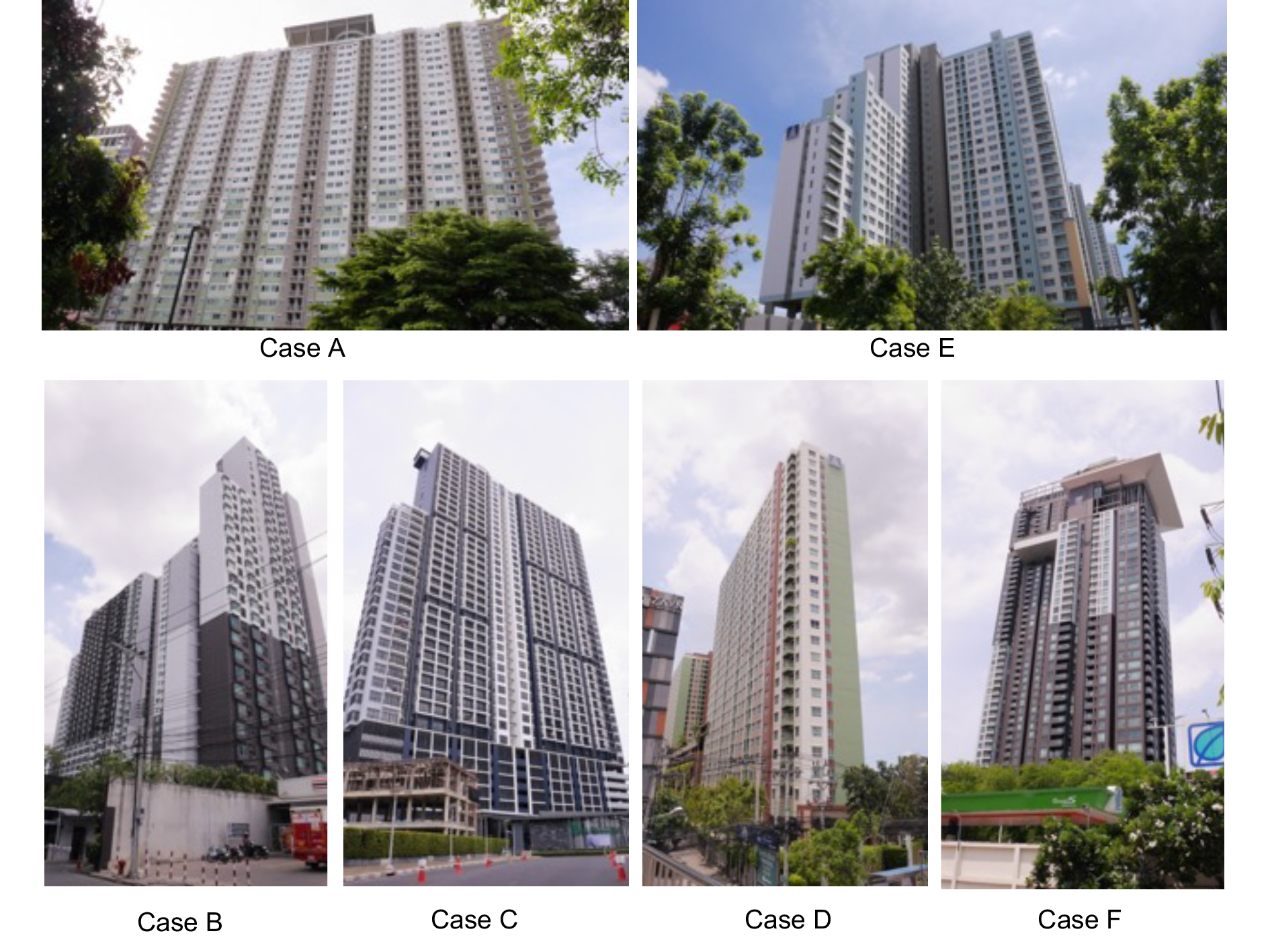
การศึกษานี้รวบรวมผลกระทบที่เกิดจากการออกแบบลักษณะกายภาพและการบริหารจัดการทรัพยากรอาคารต่อความพึงพอใจของผู้อยู่อาศัย โดยเก็บข้อมูลจากโครงการอาคารชุดระดับกลาง ในเขตกรุงเทพมหานครฯและปริมณฑลทั้งหมด 6 โครงการ งานวิจัยนี้ใช้การวิเคราะห์เชิงปริมาณ (Quantitative analysis) และเชิงคุณภาพ (Qualitative analysis) โดยทำการสำรวจลักษณะกายภาพของโครงการ การสัมภาษณ์ผู้บริหารอาคารเพื่อเก็บข้อมูลการบริหารจัดการทรัพยากรอาคาร การแจกแบบสอบถามกับผู้อยู่อาศัยในโครงการที่มีช่วงอายุ 20-60 ปีจำนวน 360 คน และสรุปผลแยกตามช่วงอายุของผู้พักอาศัย จากการศึกษาพบว่า ลักษณะกายภาพและอายุไม่พบว่ามีผลโดยตรงต่อความพึงพอใจแต่มีผลกระทบต่อการบริหารจัดการทรัพยากรอาคารซึ่งเป็นปัจจัยหลักที่ส่งผลต่อความพึงพอใจของผู้พักอาศัย
Purpose – Feedback from condominium occupants on multi-generational condominium facility services makes it possible to identify areas in need of improvement and development concerning facilities management in this residential project type. This paper aims to examine behaviours, needs, preferences and patterns of space use in condominium occupants from three different age groups (under 30, 30 to 50 and over 50 years old) relative to their satisfaction with facility services. The paper examines the impact of the physical environment and facility service arrangement (i.e. cleaning and security) on occupant satisfaction in the common areas of six multi-generational condominiums and investigates whether occupant satisfaction varies between the three age groups.
Methodology – Six case studies classified as multi-generational condominiums were conducted. Research methods included document analysis, field surveys, interviews with juristic person managers and surveys from condominium occupants regarding their satisfaction with cleaning and security services in the common areas. The findings were then applied one-way ANOVA to test occupant satisfaction mean differences between age groups.
Findings – The findings indicate that physical environment characteristics including the location, size, number and design attributes of common areas have an impact on the provision of facility services and may influence occupant satisfaction. In terms of the facility service arrangement, both the service method and the ratio of staff to areas of responsibility can be explained in connection to functional and technical quality, respectively. Occupants’ demands and behaviours, such as the strong requirement for privacy, the preference towards service staff accessibility and the frequency of space usage, contribute to different levels of occupant satisfaction.
Research limitations/implications – More case studies in Thailand and also in other countries, based on surveys with large samples of respondents, are required to increase the validity and to establish whether it is possible to generalise the study’s findings.
Practical implications – The findings and reflections upon them help understand the impact of physical environment characteristics and the provision of facility services on occupant satisfaction in various age groups. Recommendations are provided concerning building design and the provision of facility services in connection to perceived service quality and occupant satisfaction in multi-generational condominiums in Thailand that can apply to other types of real estate projects where similar facility services are offered.
Originality/value – This paper contributes to research on occupant satisfaction with facility services and provides evidence on occupants’ feedback in different types of perceived service quality (i.e. technical and functional quality). Identifying the impact of physical environment characteristics, facility service arrangements and occupant behaviours on occupant satisfaction with the technical and functional aspects of facility services contributes to the body of research on facilities management.
Keywords – Facility services, Occupant satisfaction, Perceived service quality, Common areas

 fremtu.com